
Elegant Tuscan Dining Room with Vintage Charm
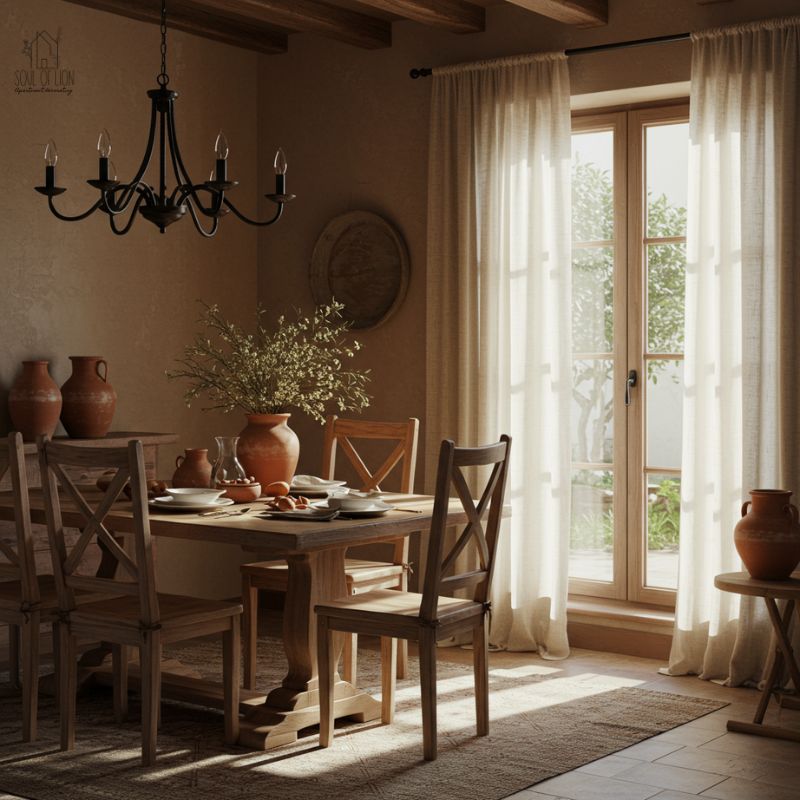
There are rooms that impress — and then there are rooms that embrace. A Tuscan dining room does both.
It’s where rustic textures meet elegant details, where worn wood feels noble, and where natural light seems to soften everything it touches. Rooted in the traditions of the Italian countryside, the Tuscan style is timeless. It invites you in, feeds you well, and makes you want to stay.
In this guide, we’ll explore how to create an elegant Tuscan dining room with vintage charm, using natural materials, warm tones, antique touches and a sense of effortless beauty.
Key Elements of Tuscan Dining Style
The Tuscan look is a balance between old-world elegance and countryside simplicity. It’s grounded, warm and rich — without ever feeling heavy.
Natural Materials
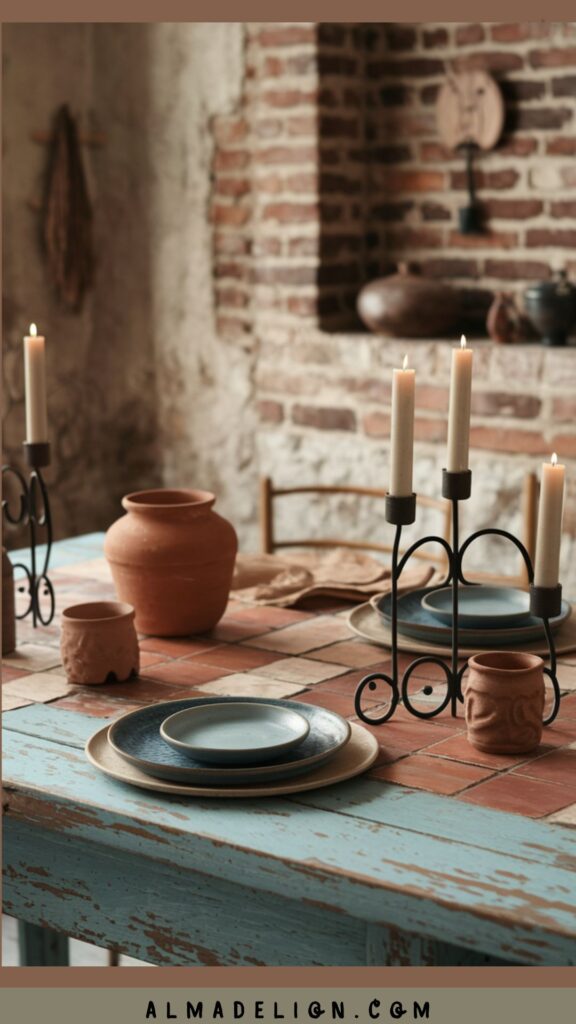
Stone, terracotta, wrought iron and aged wood are the foundation. Choose materials that feel rooted and real.
Warm, Earthy Tones
Think sienna, olive green, creamy beige, burnt umber, golden ochre. These tones reflect the Tuscan landscape — soft and sun-warmed.
Vintage or Antique Furniture
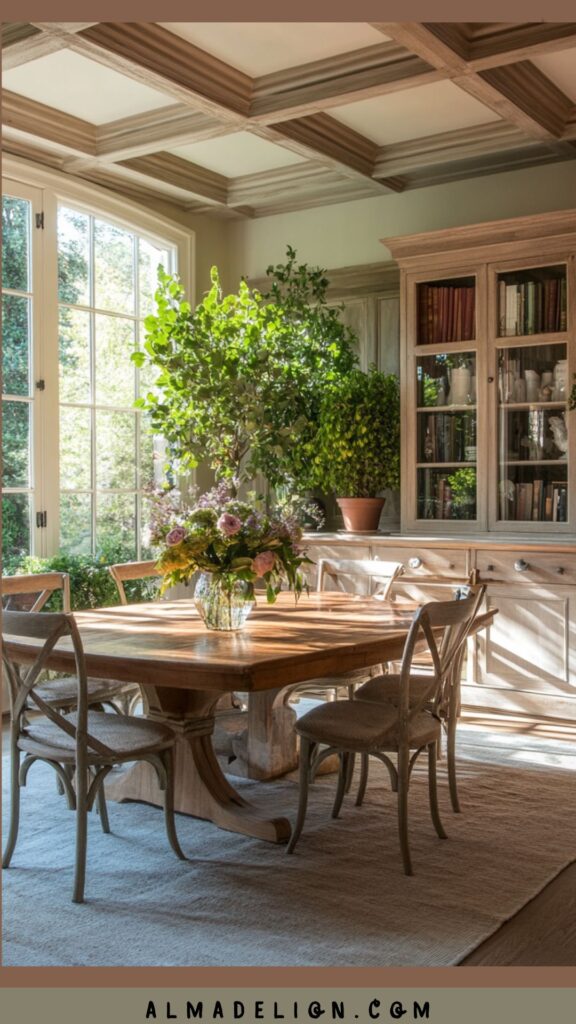
A large wooden table, carved chairs, maybe a sideboard with patina. Pieces that show their age gracefully add depth and soul.
Textured Surfaces
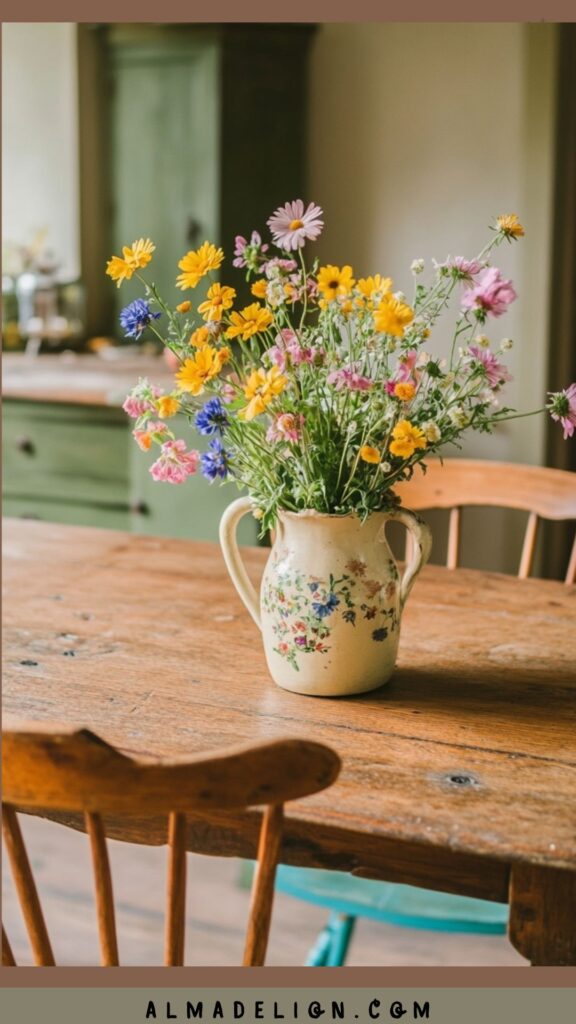
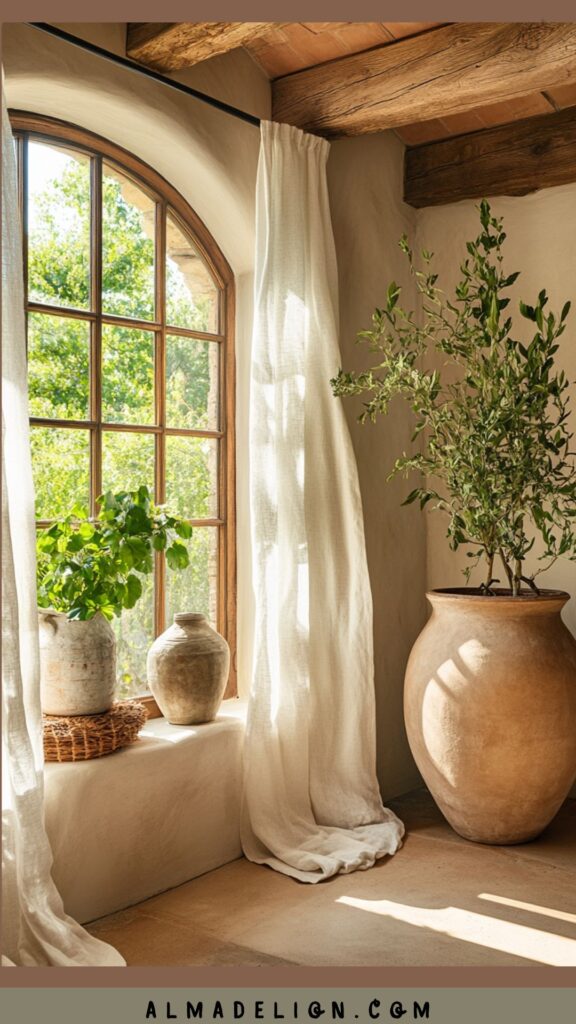
Plaster walls, linen curtains, ceramic tiles — texture is key. It softens the light and gives the room a lived-in elegance.
Subtle Ornamentation
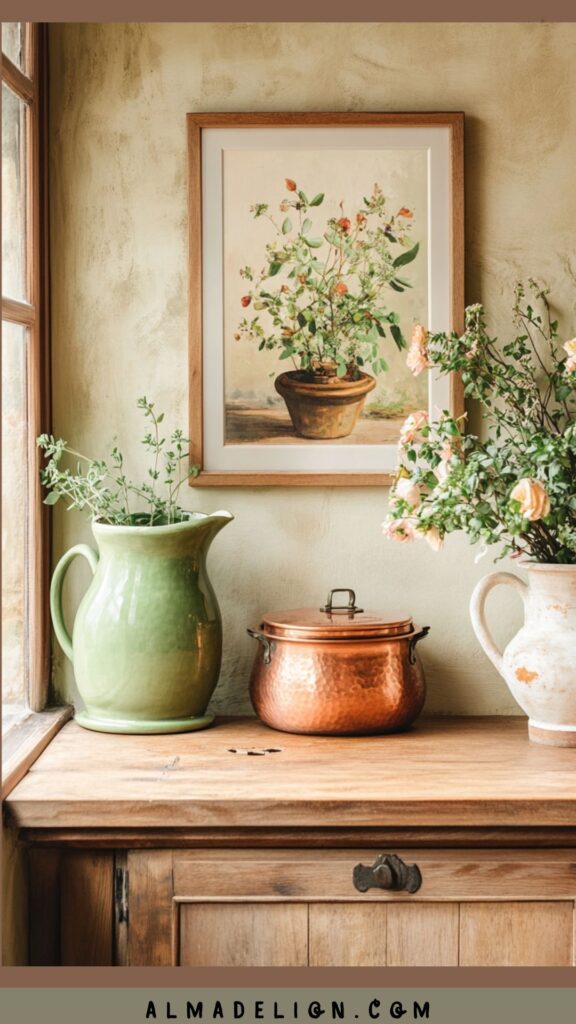
Iron chandeliers, ceramic pitchers, framed botanical prints, copper pans. Always curated, never cluttered.
How to Create the Look
You don’t need a villa in the hills to bring the essence of Tuscany into your home. Just a few intentional choices can completely transform the space.
1. Start with the Table
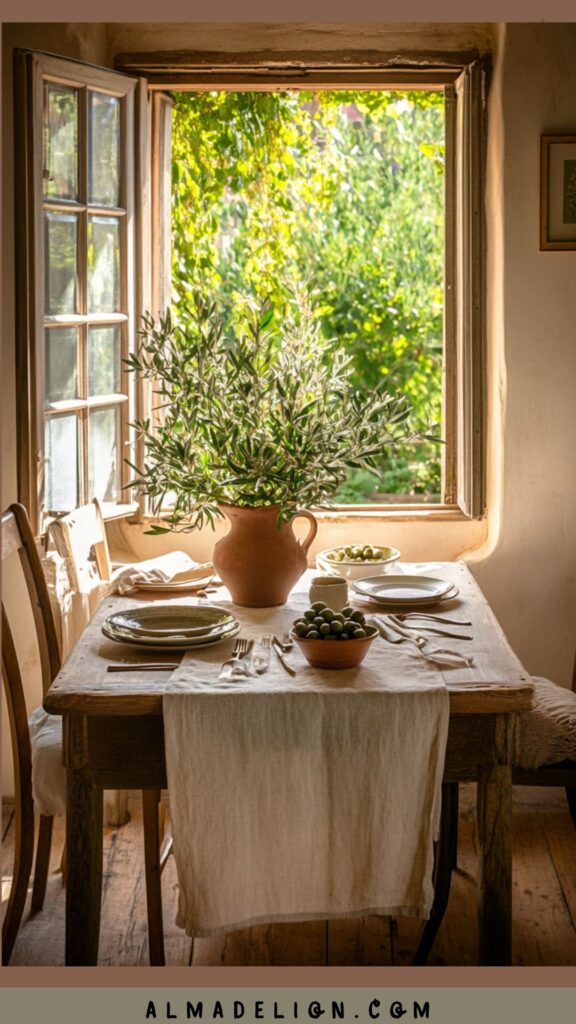
A rustic wooden dining table is the heart of a Tuscan room. It should feel substantial, imperfect, welcoming. Style it with linen runners, vintage plates, and ceramic jugs with wild branches.
2. Choose Authentic Lighting
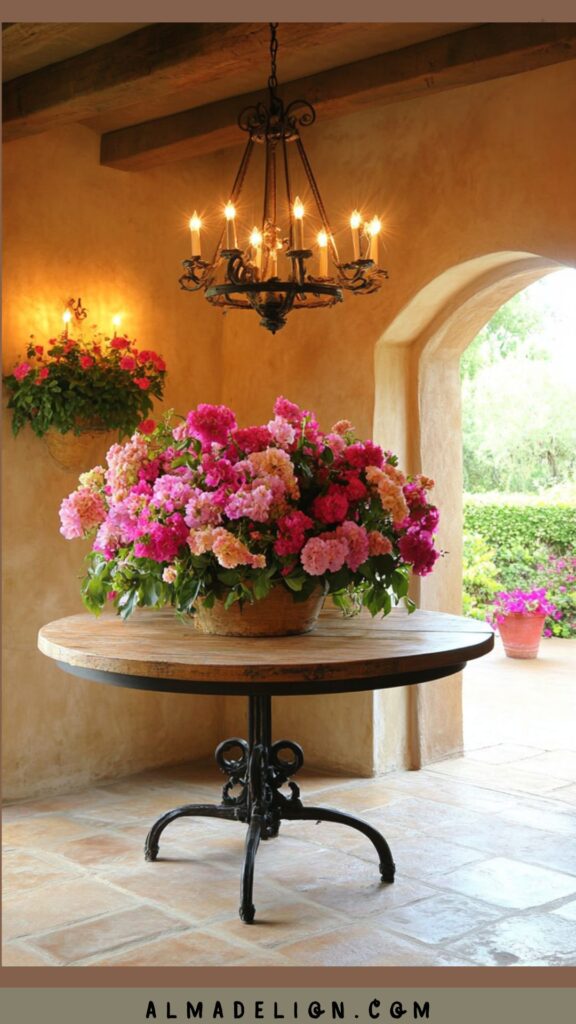
Opt for wrought iron chandeliers or wall sconces with warm, diffused light. Avoid anything too modern or glossy — aged finishes work best.
3. Layer Natural Textures
Use linen or cotton curtains, terracotta tiles or natural rugs underfoot. Let the materials speak without overpowering.

4. Mix in Vintage Accents
Look for antique silverware, hand-painted ceramics, or a weathered cabinet. These pieces tell a story and keep the room from feeling staged.
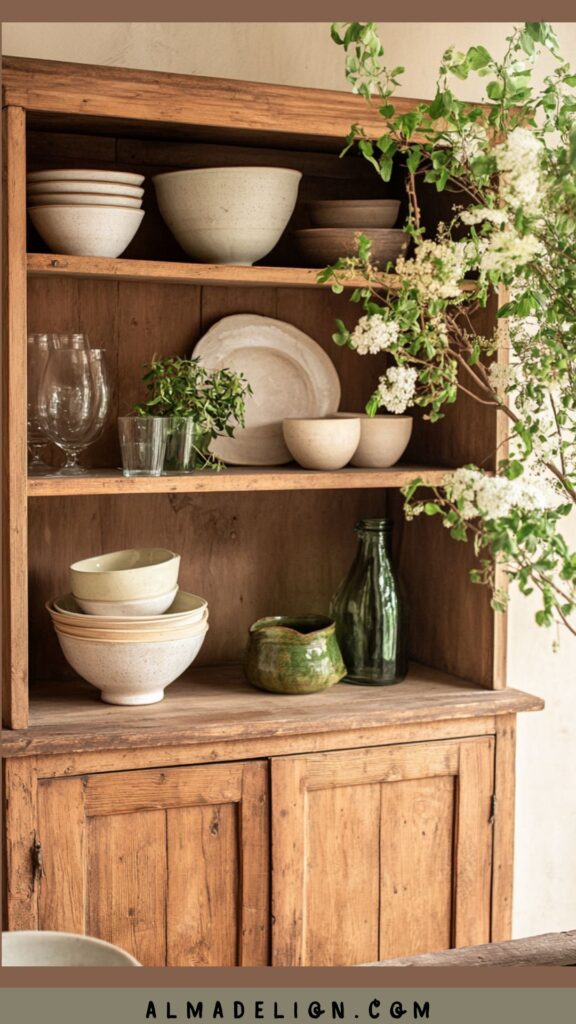
5. Add Botanical and Earthy Decor
A bowl of lemons, olive branches, a potted rosemary plant. Nature is part of the decor, always.
Styling Tips for Balance
- Keep the color palette muted and cohesive
- Let every item serve a visual or emotional purpose
- Embrace asymmetry and natural aging
- Display fewer, better pieces
- Mix softness (fabric, flowers) with structure (wood, metal)
The goal isn’t to recreate a catalog look — it’s to create atmosphere.

Final Thoughts
An elegant Tuscan dining room doesn’t need to shout to be heard. It whispers in textures, in tones, in stories. It invites slow dinners, quiet conversations, and long mornings with sunlight spilling across the floor.
You don’t have to live in Tuscany to bring its warmth into your home. With a few vintage pieces, natural materials, and your own sense of beauty, you can create a room that feels like a timeless embrace.

Deja una respuesta